







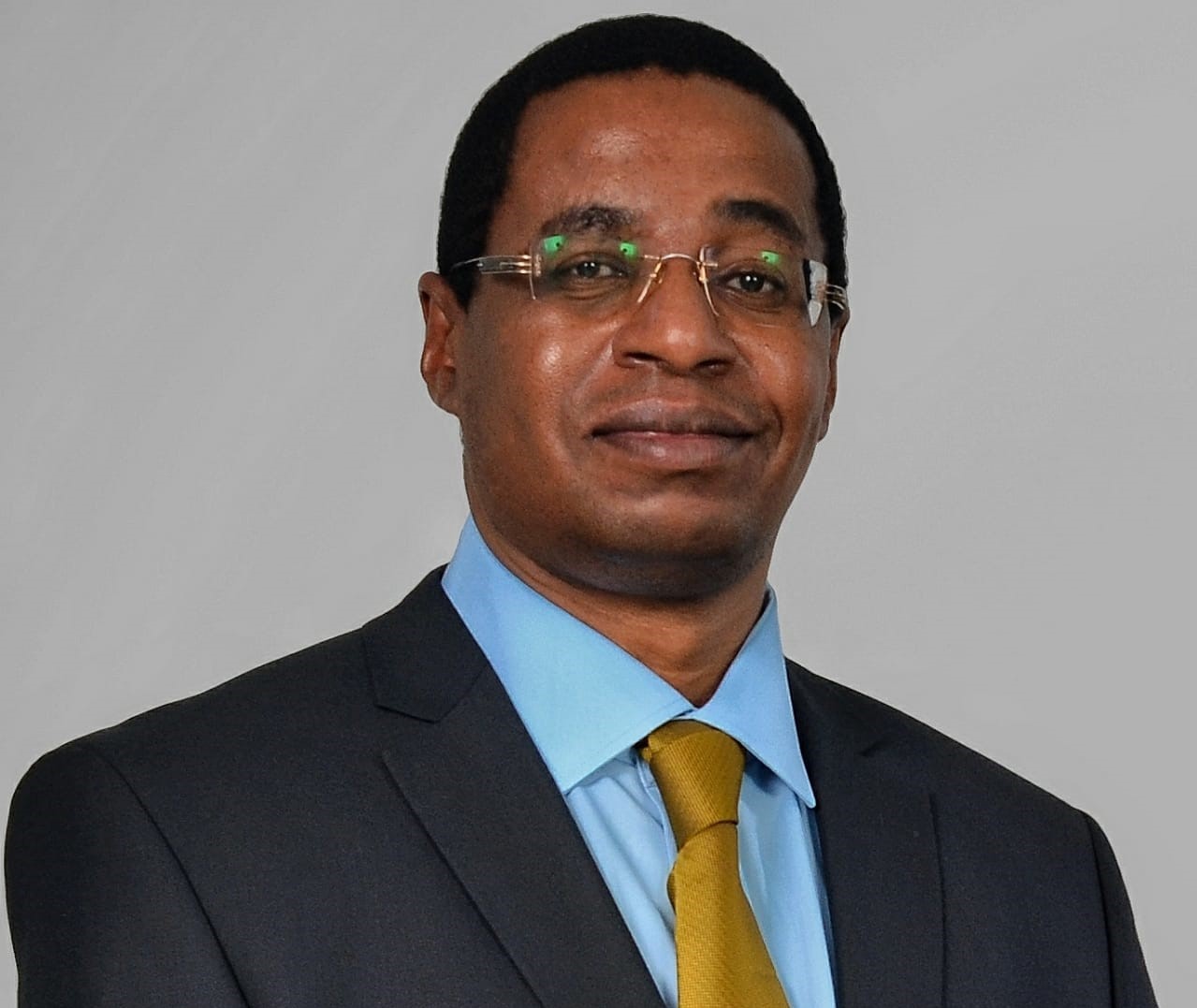
By Hon, Prof. Kariuki Muigua SC
Africa holds immense oil and gas potential, with 12% of global oil reserves and 8% of natural gas, producing nearly 10 million barrels of crude daily—10% of world output. Countries like Nigeria, Angola, Libya, Algeria, and emerging producers such as Kenya, Uganda, and Ghana could drive economic transformation. Yet, unsustainable practices have turned promise into pitfalls: environmental devastation, human rights abuses, community displacement, corruption, and resource-fueled conflicts. In “Oil and Gas Extraction in Africa: Employing ESG Tenets for Sustainability and Conflict Management,” Kariuki Muigua argues that Environmental, Social, and Governance (ESG) principles offer a pathway to ethical extraction, equitable benefits, and lasting development.
The Dual Legacy: Promises and Pitfalls
Oil and gas, fossil fuels formed from ancient organic matter, power global economies, supplying 80% of energy needs. In Africa, they fuel transport, industry, manufacturing, and households, aligning with Agenda 2063’s vision of resource-led growth. Recent discoveries position the continent as a future energy powerhouse amid rising populations and demands.
However, multinational corporations (MNCs) dominate extraction, often prioritizing profits over people. The Niger Delta exemplifies pitfalls: oil spills pollute soil and water, biodiversity vanishes, indigenous communities face land grabs, and militancy erupts over inequitable benefits. Revenues concentrate among elites, breeding corruption, inequality, and violence. Poor stakeholder engagement exacerbates conflicts, undermining governance and democratic processes. Without reform, Africa’s “resource curse” persists, stalling socio-economic progress.
ESG Tenets: A Framework for Responsible Extraction
ESG integrates environmental stewardship, social responsibility, and robust governance into decision-making, enabling sustainable investments. Muigua positions it as essential for Africa’s oil and gas sector, mitigating impacts while maximizing community gains.
Environmental Pillar: Safeguarding Ecosystems
Extraction ravages landscapes—spills, emissions, and deforestation accelerate climate change, which fossil fuels exacerbate (75% of global GHG emissions). ESG demands ecosystem protection, water conservation, waste reduction, energy efficiency via clean tech, and land restoration post-extraction. Companies must adopt circular economies, minimizing pollution and preserving biodiversity for long-term viability.
Social Pillar: Empowering Communities
Social tenets address human costs: rights violations, displacement, and inequality. ESG mandates Free, Prior, and Informed Consent (FPIC), equitable benefit-sharing, fair labor, and gender diversity. Strong community relations create jobs, fund local development, and prevent militancy. In Kenya, UNDP’s extractives program exemplifies this, prioritizing host communities.
Governance Pillar: Ensuring Accountability
Weak oversight fuels corruption. ESG promotes board diversity, shareholder rights, transparency, and anti-bribery measures. Ethical practices build trust, attract ethical investors, and align with global standards.
Conflict Management Through ESG and Collaboration
Conflicts arise from perceived injustices—unfair revenues, environmental harm, exclusion. Muigua advocates prevention via participatory approaches: negotiation, mediation, and UNEP-guided stakeholder dialogues. ESG fosters trust, reducing tensions. Collaborative models, like involving locals in monitoring, turn adversaries into partners.
Path Forward: Recommendations for Africa
Muigua urges multifaceted action:
- Policy Reforms: Governments enforce ESG compliance via regulations, incentives (tax breaks for green tech), and national content laws favoring locals.
- Corporate Accountability: MNCs conduct ESG audits, invest in capacity-building, and report transparently.
- Multi-Stakeholder Partnerships: Blend public-private efforts with civil society for inclusive benefit-sharing.
- Capacity Building: Train communities in rights advocacy; support indigenous knowledge in impact assessments.
- International Support: Leverage AfDB, AU frameworks for ESG-aligned financing.
Transitioning to renewables complements ESG, ensuring oil/gas bridges Africa’s energy gap sustainably.
Conclusion: From Curse to Catalyst
Africa’s oil and gas can propel Agenda 2063 if harnessed responsibly. ESG transforms extraction from exploitative to equitable, curbing conflicts and environmental harm while driving prosperity. Governments, MNCs, and communities must collaborate—prioritizing conservation, inclusion, and ethics. Sustainable practices not only mitigate risks but unlock investor confidence and long-term value. As Muigua concludes, ESG is imperative: without it, Africa’s black gold remains a curse; with it, a cornerstone of development.