






By Prof. Kariuki Muigua SC, OGW, Ph.D, FCS, FCIArb, Ch.Arb, Managing Partner, Kariuki Muigua & Co. Advocates & Member, Permanent Court of Arbitration (PCA).
1.0 Introduction
Climate change is one of the greatest challenges of our time, with adverse impacts including intense droughts, water scarcity, severe fires, rising sea levels, flooding, melting polar ice, catastrophic storms, and declining biodiversity. These effects undermine the ability of all countries to achieve sustainable development by disrupting ecosystems, destabilizing economies, and threatening human well-being. The United Nations 2030 Agenda for Sustainable Development recognizes this urgency through Sustainable Development Goal (SDG) 13, which calls for urgent action to combat climate change and its impacts. This article critically examines how Artificial Intelligence (AI) can be utilized to confront climate change in Africa and the Global South, identifies barriers to its adoption, and proposes pathways for effective integration toward sustainable development.
2.0 Impacts of Climate Change on Sustainable Development in Africa and the Global South
Climate change impacts are not distributed equally. Africa and the Global South bear disproportionate burdens despite contributing the least to global greenhouse gas emissions. Africa is the most vulnerable region in the world to climate change, facing warming rates above the global average, sea-level rise, water scarcity, damaged agricultural harvests, disrupted livelihoods, and amplified inequalities. These effects undermine food and water security, ecosystems, economies, and fuel displacement, migration, and conflict over dwindling natural resources. Climate change also devastates the environment through biodiversity loss, ecosystem degradation, natural resource depletion, and desertification. Confronting climate change is therefore an urgent priority for Africa and the Global South in the quest toward sustainable development and climate justice.
3.0 The Role of Artificial Intelligence in Tackling Climate Change and Ensuring Sustainable Resource Management in Africa
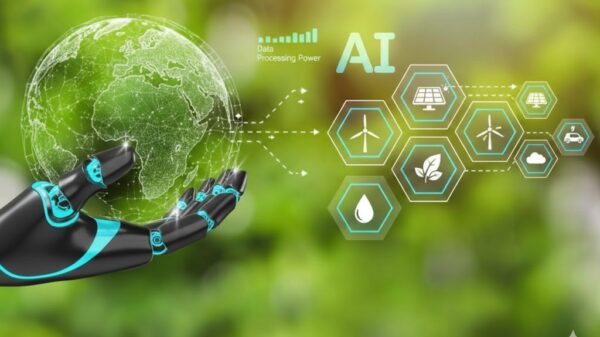
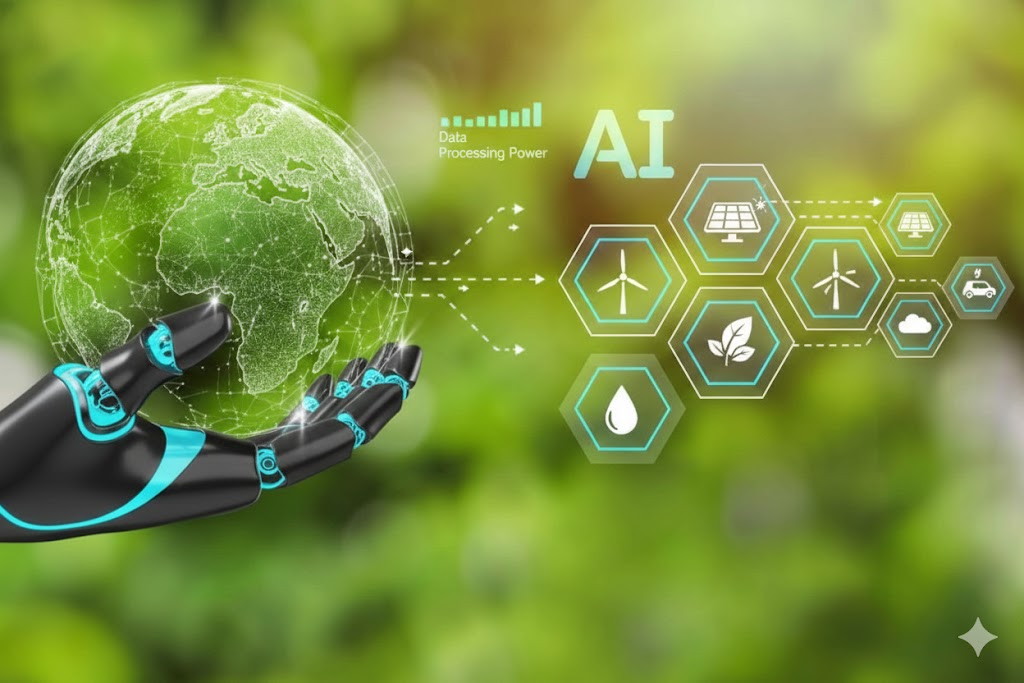
AI offers transformative solutions for climate action and sustainable resource management. Key applications include:
- Energy efficiency and renewable energy: AI tools improve energy efficiency, generation, and storage through data-driven optimization, reducing greenhouse gas emissions and enabling cleaner power options.
- Transportation: AI analyzes traffic data to optimize routing, reduce fuel consumption, and lower emissions.
- Climate adaptation: AI strengthens early warning systems by predicting extreme weather events such as droughts and floods, enabling proactive disaster risk management and urban resilience planning.
- Sustainable resource management: Combined with satellite imagery, AI supports biodiversity conservation, sustainable water use, land restoration, and detection of illegal logging, hunting, fishing, and mining.
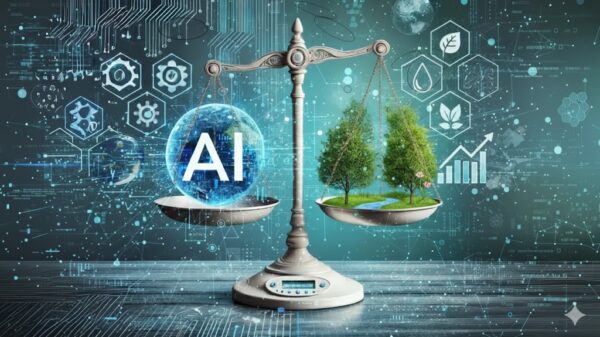
However, the deployment of AI in Africa faces significant challenges. Environmental and biodiversity datasets are geographically skewed toward the Global North, leading to misclassification and inaccurate ecological predictions in African contexts. Algorithmic bias can perpetuate social inequalities and undermine trust in AI systems. The energy and water consumption of AI systems raises sustainability concerns in resource-constrained regions. Limited digital infrastructure, inadequate computing power, capacity shortages, and insufficient access to high-quality climate data further hinder effective AI adoption.
4.0 Embracing Artificial Intelligence for Sound Climate Action and Sustainable Resource Management in Africa
Realizing the potential of AI in addressing climate change and ensuring sustainable resource management in Africa requires strategic and inclusive approaches. Key recommendations include:
- Closing the digital divide through investment in infrastructure and AI capacity-building programs to empower local experts and institutions.
- Training AI systems on Africa-specific environmental and climate datasets, incorporating indigenous and traditional ecological knowledge to ensure accurate analysis and harness local solutions.
- Investing in climate data collection to ensure availability of quality and accurate information for AI deployment.
- Developing and adopting energy- and water-efficient AI systems to optimize resource conservation and sustainability.
- Designing inclusive AI systems that address the disproportionate impacts of climate change on vulnerable groups including women, youth, elderly, persons with disabilities, indigenous peoples, and local communities, delivering equitable climate benefits toward climate justice.
- Fostering international, regional, and national collaborations among governments, academia, civil society, and the private sector to enable knowledge exchange, capacity building, and uniform standards.
Through these measures, Africa can effectively harness AI as a transformative tool for combating climate change and fostering sustainable resource management.
5.0 Conclusion
AI presents significant opportunities to strengthen climate action and ensure sustainable resource management in Africa by enhancing monitoring, prediction, adaptation, and resource conservation. However, the continent faces legal, capacity, technical, and sustainability barriers that limit the effective deployment of AI in this sector. Climate change continues to intensify its disproportionate impacts on Africa, underscoring the urgency of reform. By adopting strategic investments in technology, capacity building, inclusive design, and collaborative frameworks, Africa can integrate AI into its climate action and resource management architecture. When developed and applied responsibly, AI can support sustainable development, climate justice, and environmental resilience across the continent.