









By Prof. Kariuki Muigua SC, OGW, Ph.D, FCS, FCIArb, Ch.Arb, Managing Partner, Kariuki Muigua & Co. Advocates & Member, Permanent Court of Arbitration (PCA).
1. Introduction: The Promise and Peril of Energy Transition
The shift from fossil fuels to renewable energy is widely recognized as a critical pathway to achieving climate justice—a concept that centers equity, human rights, and fairness in climate action, especially for vulnerable populations who suffer most from a crisis they least caused. This energy transition presents a unique opportunity to address interconnected global challenges like inequality, energy poverty, and public health. However, its integrity and pace are being severely undermined by the pervasive rise of greenwashing: the practice of disseminating false, misleading, or deceptive information to create an unfounded impression of environmental responsibility. This paper argues that combating this misinformation is not optional but essential to realizing a just and effective transition.
2. The Anatomy and Impact of Greenwashing
Greenwashing is a strategic form of misinformation that manifests in several deceptive forms within the energy sector:
- Vague or Unsubstantiated Claims: Using terms like “eco-friendly,” “net-zero,” or “carbon neutral” without standard definitions, clear plans, or verifiable data.
- Emphasis on a Single Green Attribute: Heavily promoting a small investment in renewables (e.g., a solar farm) while the core business and vast majority of investments remain in fossil fuel extraction.
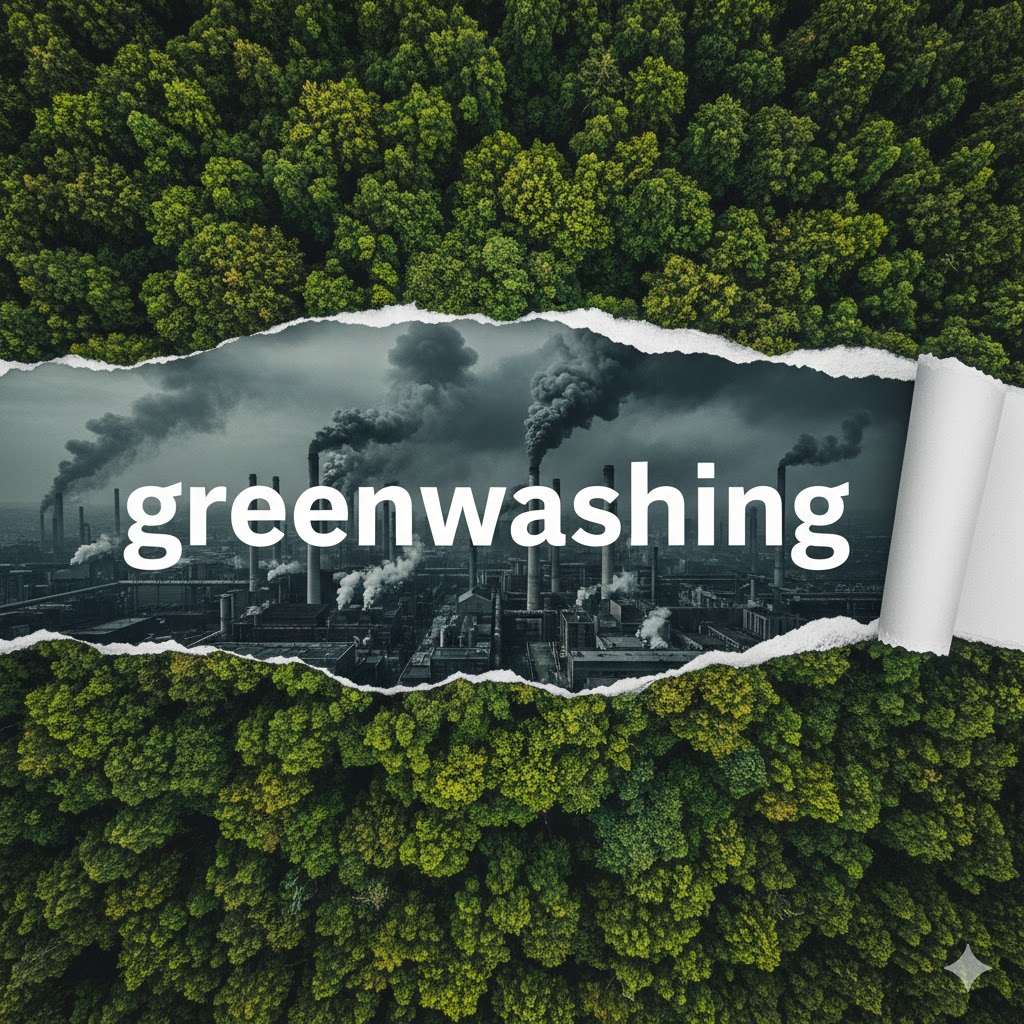
- Misleading Imagery and Marketing: Using visuals of wind turbines or nature to imply a product or company’s energy is clean, when it is predominantly derived from coal, oil, or gas.
- Burden Shifting: Running advertising campaigns that place the onus for sustainability on consumer behavior (e.g., energy-saving tips) while the company continues to expand fossil fuel operations.
These tactics have a direct and corrosive impact on climate justice. They mislead consumers, including vulnerable communities, into believing they are making sustainable choices while inadvertently supporting polluting industries. More insidiously, greenwashing deflects responsibility from the major corporate actors who have the greatest capacity—and obligation—to drive systemic change, thereby delaying concrete climate action and perpetuating the injustices the transition aims to solve.
3. A Multifaceted Framework for Combating Misinformation
To safeguard the energy transition for people and the planet, a coordinated strategy targeting greenwashing at multiple levels is required:
- Strengthening Transparency, Accountability, and Integrity: Mandating accurate, comparable, and verifiable data for all corporate climate and sustainability claims is fundamental. Net-zero pledges must be backed by credible, science-based transition plans with short- and medium-term targets, subject to independent verification.
- Developing Robust Legal and Regulatory Frameworks: Governments must close legal loopholes that allow deceptive advertising. This includes regulating the use of environmental labels, requiring substantiation for claims, and establishing clear consequences for violations. Policies must also scrutinize instruments like Renewable Energy Certificates (RECs) to ensure they represent genuine additional investment in clean energy, not merely accounting tricks.
- Empowering Environmentally Conscious Consumers: Public awareness and education are key defenses. Consumers equipped with knowledge about common greenwashing tactics and a clear understanding of genuine sustainability can drive market demand toward truly green products and hold companies accountable.
- Fostering International Cooperation: Climate misinformation is a borderless problem. Harmonized global standards for terms like “net-zero” and for sustainability reporting can prevent companies from exploiting regulatory arbitrage. International cooperation is also vital to build capacity in developing countries to monitor and counteract greenwashing, ensuring a just and equitable global transition.
4. Conclusion: Upholding Truth for a Just Future
Greenwashing is more than a public relations issue; it is an active barrier to climate justice that fuels delay, obscures accountability, and deepens inequity. The fight against it is integral to the success of the energy transition. By championing truth, transparency, and accountability through stringent regulation, corporate responsibility, consumer empowerment, and global collaboration, we can clear the discursive fog created by greenwashing. Only by addressing this misinformation can we ensure that the path to a renewable future is not only rapid but also rights-based, equitable, and truly just for all, particularly for those who have been historically marginalized and are most vulnerable to climate change.