




Introduction to Environmental Rights
Environmental rights anchor sustainable development, blending substantive protections—clean air, safe water, sanitation, healthy ecosystems—with procedural safeguards like information access, public participation, and environmental justice. These rights extend human freedoms into ecological domains, recognizing that a sustainable environment enables life, health, food, shelter, and energy enjoyment. Violations via pollution, degradation, biodiversity loss, climate impacts, and disasters threaten people and planet, necessitating integrated defenses. Disasters amplify this crisis, demanding proactive risk management for true sustainability.
Defining Disasters and Their Global Impact
Disasters—natural or human-induced—disrupt communities beyond coping capacity, yielding human, material, economic, environmental losses. Hazards interact with exposure, vulnerability, capacity deficits. Natural forms include earthquakes, floods, droughts, landslides, wildfires; human-made arise from errors like explosions. Climate change, flawed planning, poor preparedness intensify events worldwide. Africa bears acute vulnerability: geographic exposure, socio-economic fragility, tech gaps fuel hydrometeorological threats—droughts, floods, windstorms—hindering Agenda 2063 aspirations for prosperity and resilience.
Disasters’ Devastating Toll on Rights
Immediate/localized or widespread/protracted, disasters erode prosperity. Lives lost, livelihoods shattered, infrastructure razed, services crippled drive debt, income drops, humanitarian emergencies. Vulnerable groups suffer famine, insecurity, poverty, displacement—refugees, IDPs surge. Core rights vanish: life, food, water, housing amid rubble; education/health/energy via destroyed facilities. Environmentally, contamination poisons water/soil; wildlife perishes; forests/coasts erode; biodiversity crashes; wildfires foul air. Ecosystem services falter, blocking sustainability. UNEP highlights disasters’ role in pollution, degradation, SDG reversals—poverty (1), hunger (2), cities (11), climate (13).
Disaster Risk Reduction: Core Framework
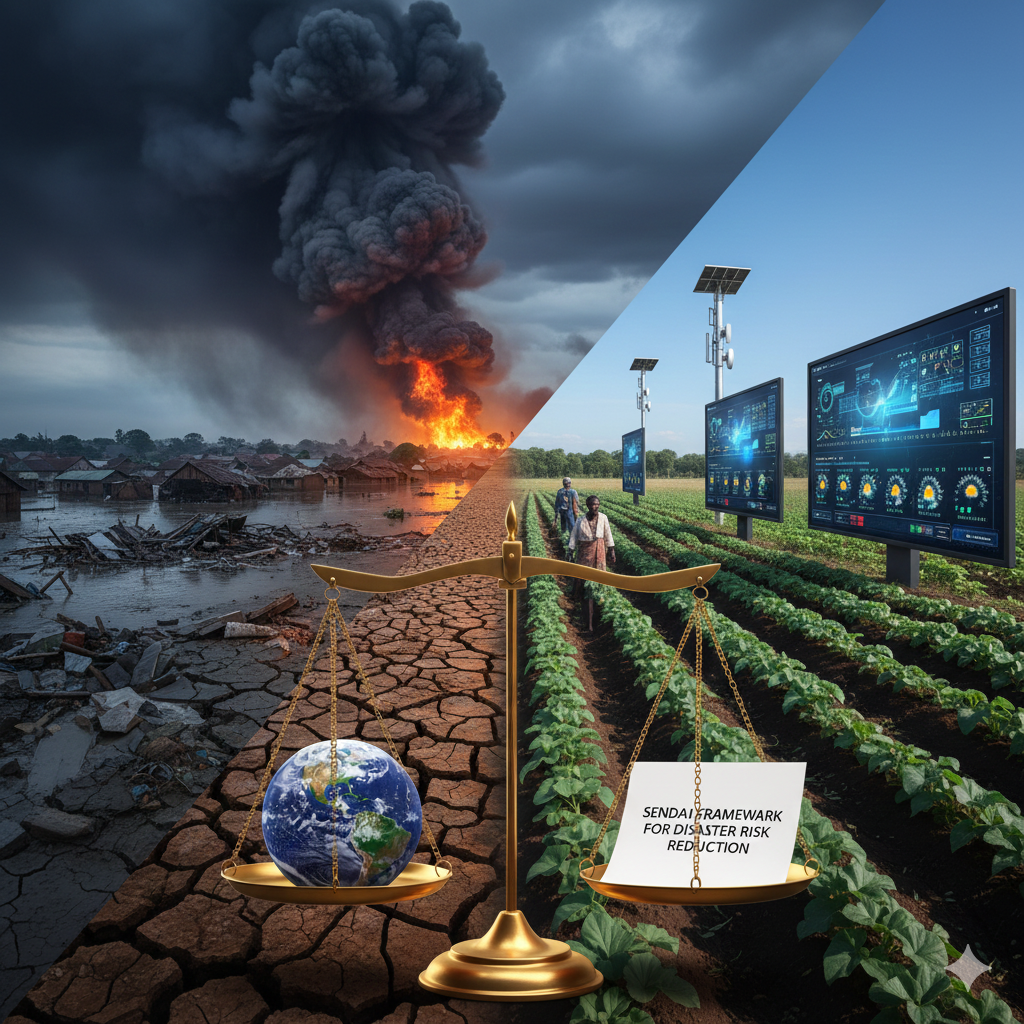
Disaster Risk Reduction (DRR) systematically analyzes/manages causes: cuts hazard exposure, vulnerability; optimizes land/resources; boosts preparedness. Prevents new risks, shrinks existing, handles residuals, fortifies resilience for humanity/ecosystems. Essential to socio-economic/environmental sustainability, DRR supports SDGs by averting development backslides. Global blueprints like UN 2030 Agenda stress frequent/intense disasters’ threats, mandating resilience. Sendai Framework (2015-2030) urges priority: risk understanding; governance strengthening; resilience investment; preparedness/response/recovery/reconstruction—framed for poverty eradication.
Continental and National Strategies
Africa Regional Strategy weaves DRR into development/poverty fights. Kenya’s National Policy confronts hazards—droughts, floods, landslides, diseases, fires—slashing social/economic/environmental losses. Policies align global/regional visions with local realities, emphasizing prevention over reaction.
Practical Integration Mechanisms
Early Warning Systems: Deliver timely alerts (cyclones, floods, droughts, heatwaves, fires), empowering anticipation/response/recovery. Minimize deaths, injuries, costs, degradation.
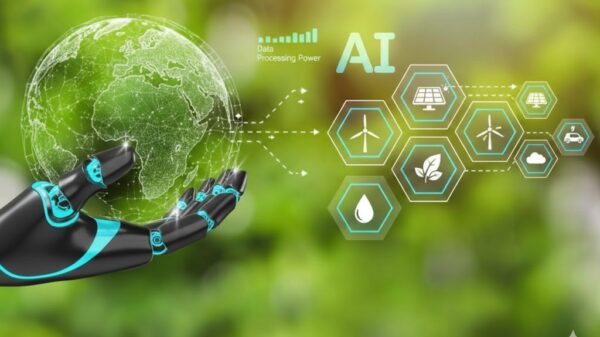
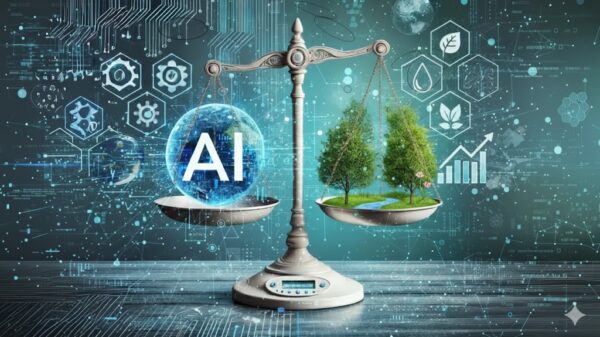
Technological Innovations: AI/machine learning monitor/data-analyze; satellites/remote sensing predict/respond—transforming foresight.
Indigenous Knowledge: Drought-resistant crops, early varieties, wild foraging, wetlands farming, livestock diversity sustain livelihoods/ecosystems in harmony.
Achieving Tangible Environmental Rights
DRR integration yields concrete gains: degradation curbed, ecosystems resilient, resources equitably accessed. Prevents inequality cycles, rights erosion. Early warnings save lives/assets; tech enhances precision; indigenous wisdom grounds solutions culturally. Global commitment—policy/tech/institutional synergy—unlocks rights for people/planet.
Conclusion: Imperative for Sustainability
Without DRR, disasters perpetuate vulnerability. Embedding it via warnings, tech, local knowledge actualizes environmental rights. Urgent global action safeguards Sustainable Development amid rising hazards, ensuring healthy planet for generations.