







By Prof. Kariuki Muigua SC, OGW, Ph.D, FCS, FCIArb, Ch.Arb, Managing Partner, Kariuki Muigua & Co. Advocates & Member, Permanent Court of Arbitration (PCA).
1.0 Introduction
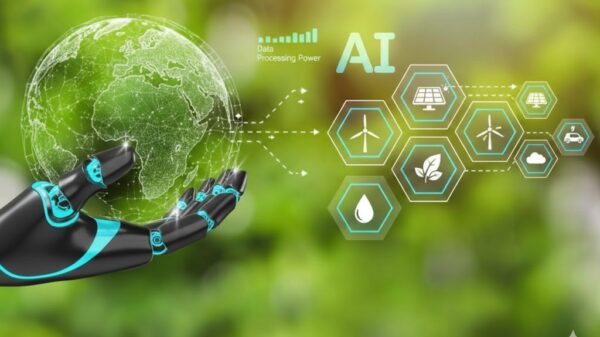
Environmental governance encompasses the laws, policies, rules, and stakeholder participation mechanisms that regulate human behavior toward the environment. It extends beyond government action to include the private sector, NGOs, and the public. In 2026, the integration of Artificial Intelligence (AI) has moved from a theoretical possibility to a critical pillar of environmental management. Robust governance systems are essential for maintaining ecosystem services, controlling pollution, and ensuring sustainable, transparent management of natural resources. This article critically examines how AI can be harnessed to strengthen environmental governance in Africa, identifies current obstacles, and proposes pathways for effective integration toward sustainable development.
2.0 The Need for Sound Environmental Governance in Africa
Africa is endowed with vast natural resources, yet faces significant governance challenges: weak legal frameworks, inadequate enforcement, and the exclusion of indigenous peoples from decision-making. These deficiencies contribute to escalating threats, including climate change, deforestation, and biodiversity loss. Strengthening governance is imperative for achieving Africa’s Agenda 2063 and the UN Sustainable Development Goals (SDGs).
3.0 Artificial Intelligence and Environmental Governance: Opportunities and Challenges
Technology offers transformative potential for real-time monitoring and policy enforcement. By 2026, several key applications have emerged:
- Real-time Monitoring: Tracking greenhouse gas emissions and biodiversity through high-resolution satellite imagery.
- Smart Grid Management: AI optimizes energy demand and integrates renewable sources like wind and solar to minimize waste.
- Wildlife Protection: Using drones and AI to detect illegal logging and poaching in critical hubs like the Congo Basin.
However, challenges remain significant:
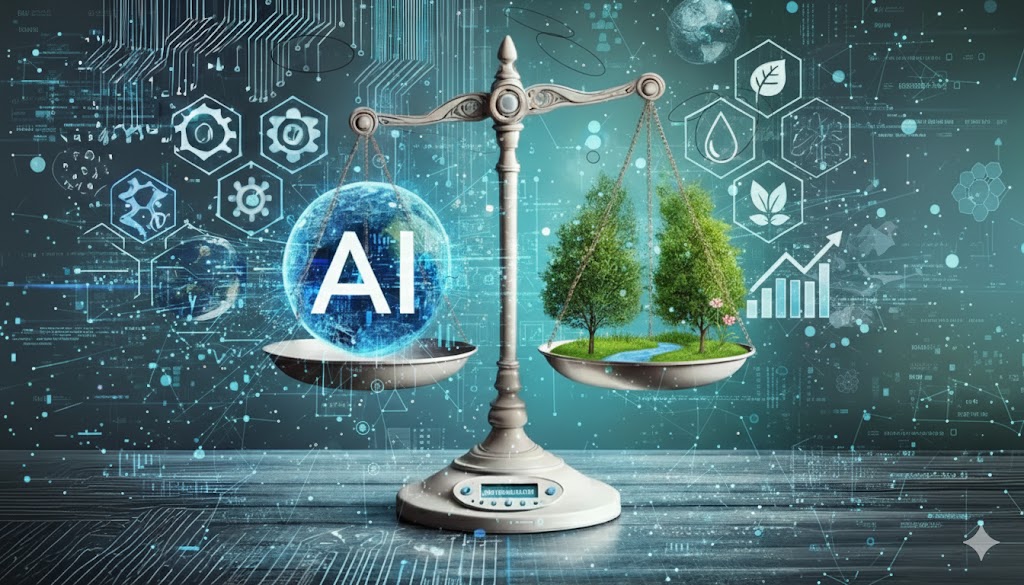
- Energy and Resource Intensity: Large-scale AI training is energy-intensive and requires massive amounts of water for cooling data centers.
- Algorithmic Bias: Many environmental datasets are skewed toward the Global North, leading to inaccurate ecological predictions in African contexts.
- Digital Divide: Disparities in infrastructure and “brain drain” of technical talent often limit local development.
4.0 Harnessing AI for Sound Environmental Governance in Africa
Realizing this potential requires a strategic, multi-faceted approach aligned with the Science, Technology and Innovation (STI) Strategy for Africa. Key recommendations include:
- Investment in Infrastructure: Building local, energy-efficient data centers and supporting sustainable technological ecosystems.
- Data Sovereignty & Indigenous Knowledge: Training AI on Africa-specific datasets and incorporating Indigenous Traditional Ecological Knowledge (ITEK) to ensure contextual relevance.
- Green AI Practices: Adopting “Greening AI” measures, such as model-compression techniques (e.g., quantization) that can reduce energy consumption by up to 44%.
- Legal & Ethical Frameworks: Establishing robust policies that mandate energy disclosure and protect data privacy.
- North–South & South–South Transfer: Ensuring equitable access to innovations to avoid technological disparities.
5.0 Conclusion
AI presents a historic opportunity to modernize environmental governance in Africa by enhancing data collection and decision-making. By adopting strategic investments, inclusive frameworks, and international cooperation, Africa can integrate AI into its governance architecture to support environmental justice and climate resilience. When developed responsibly, AI can empower communities and scientists alike to protect the continent’s natural heritage for generations to come.