









By Prof. Kariuki Muigua SC, OGW, Ph.D, FCS, FCIArb, Ch.Arb, Managing Partner, Kariuki Muigua & Co. Advocates & Member, Permanent Court of Arbitration (PCA).
1.0 Introduction
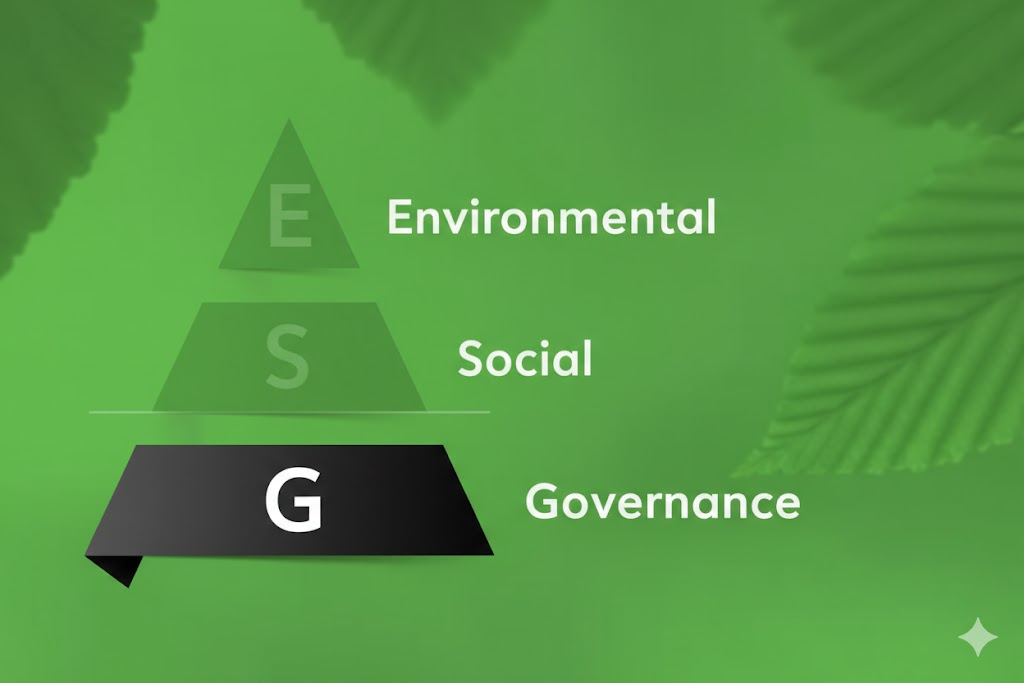
The paper establishes good governance as a foundational pillar for achieving true sustainability within the Environmental, Social, and Governance (ESG) framework. It argues that while sustainability aims to balance environmental protection, social equity, and economic development, these goals are unattainable without effective, transparent, and accountable governance systems. The global consensus, from the Rio Declaration to the UN’s 2030 Agenda, underscores that governance is the essential mechanism through which sustainability principles are implemented and enforced.
2.0 The Central Role of Governance in ESG
The analysis clarifies that the ‘G’ in ESG is not a standalone concern but the enabling structure for environmental and social outcomes.
- The Promise: Effective governance provides the rules, accountability, and participatory frameworks that allow sustainability to flourish. It translates ESG principles into action through:
- Sound Decision-Making: Establishing long-term strategies that consider environmental and social impacts.
- Accountability & Transparency: Ensuring corporations and governments are answerable for their actions through clear reporting (e.g., sustainability reports).
- Inclusive Participation: Engaging stakeholders, including the public, in decisions that affect their well-being and environment.
- The Governance Deficit: Conversely, poor governance is the root cause of sustainability failures. Key setbacks include:
- Corporate Misconduct: Corruption, lack of board oversight, weak accountability, and insufficient transparency undermine ESG commitments.
- Public Sector Challenges: Widespread issues like corruption, weak institutions, political instability, and poor access to justice cripple the implementation of sustainability laws and policies.
3.0 Operationalizing Governance for Sustainability
To realize the governance tenet, the paper prescribes a multi-level approach integrating principles from international agreements, national law, and corporate practice.
- Uphold International and National Frameworks: Align governance with the principles of SDG 16 (Peace, Justice, and Strong Institutions) and the Rio Declaration (especially public participation, access to information, and justice). National constitutions and laws, like Kenya’s, must explicitly embed these good governance tenets.
- Ensure Corporate Transparency and Accountability: Companies must adopt rigorous sustainability and ESG reporting (e.g., following UN Global Compact, CDP, or local guides like the Nairobi Securities Exchange ESG Manual). This builds trust and ensures disclosure of true performance.
- Guarantee Public Participation and Access: Meaningful public involvement in natural resource management and environmental decision-making is non-negotiable. This requires guaranteed access to information and justice.
- Adopt a Holistic System Strengthening Approach: Building effective, accountable, and inclusive institutions at all levels is paramount. This involves strengthening the rule of law, combating corruption, and ensuring institutions are responsive to public needs.
4.0 Conclusion
Realizing the Governance (‘G’) tenet is not an optional component but the critical imperative for the entire ESG agenda and sustainable development. The paper concludes that sustainability will remain an elusive ideal without a foundational commitment to good governance. This requires a paradigm shift: moving from viewing governance as a mere compliance checkbox to recognizing it as the essential enabling environment that ensures environmental and social goals are achieved ethically, accountably, and inclusively. By embedding principles of transparency, accountability, rule of law, and participatory decision-making, both the public and private sectors can harness the ESG framework to deliver lasting peace, prosperity, and planetary health.